

Craniosacral Therapy: Benefits, Healing Approach, and Meditation Connection
Learn how Craniosacral Therapy works, its benefits for pain relief, stress reduction, and nervous system health, and how healing and meditation can enhance its effects.
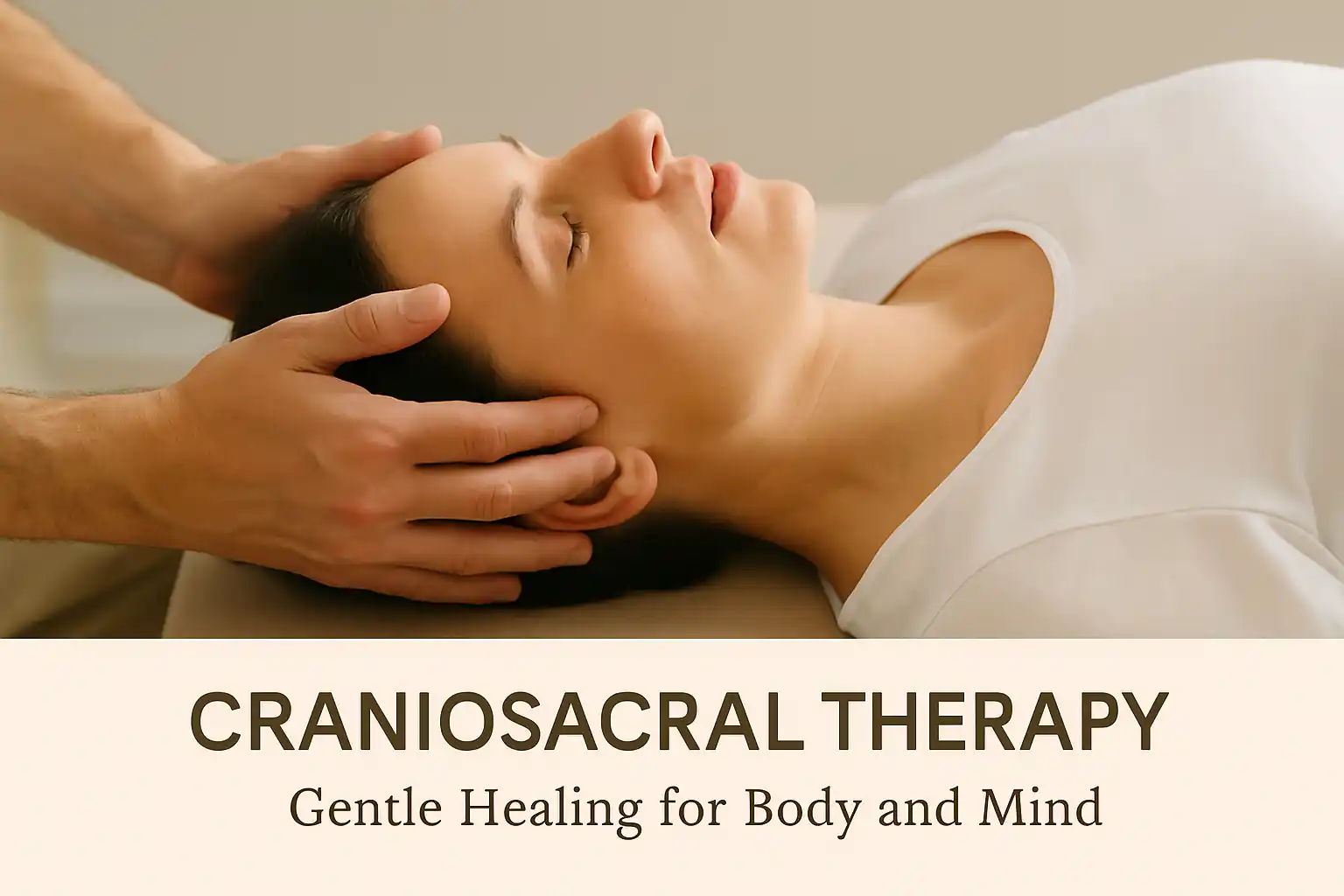
Craniosacral Therapy: Gentle Healing for Body and Mind
1. What is Craniosacral Therapy?
Craniosacral Therapy (CST) is a gentle, hands-on approach that supports the health of the craniosacral system, the membranes and cerebrospinal fluid surrounding the brain and spinal cord. Using light touch, CST helps release restrictions in the body, improving nervous system function and promoting deep relaxation.
2. How Craniosacral Therapy Works
The craniosacral system influences the brain, spinal cord, and overall nervous system health. When tension, injury, or emotional stress restricts this system, it can contribute to pain, fatigue, or imbalance.
3. Benefits
CST is widely used for its calming and restorative effects. Reported benefits include:
- Relief from chronic neck, back, and joint pain.
- Reduced headaches and migraines.
- Support for temporomandibular joint (TMJ) disorders.
- Lowered stress and anxiety.
- Improved sleep patterns.
- Enhanced recovery from physical or emotional trauma.
Because of its gentle nature, CST is suitable for individuals of all ages.
4. Healing Through Craniosaral Therapy
Healing, in a holistic sense, is about supporting the body’s natural ability to repair and restore balance. Craniosacral Therapy contributes to this process by:
- Releasing stored physical tension.
- Calming the nervous system.
- Encouraging fluid movement around the brain and spinal cord.
- Creating conditions for self-healing to occur naturally.
5. Meditation as a Complement to CST
Meditation can enhance the effects of Craniosacral Therapy by preparing the mind and body for relaxation. Benefits of combining meditation with CST include:
- Greater mental clarity during and after sessions.
- Deeper relaxation and reduced stress response.
- Improved integration of therapeutic changes.
A short meditation before a CST session can make the body more receptive, while post-session meditation helps sustain the benefits.
6. A Holistic View of Mind-Body Wellness
When Craniosacral Therapy is combined with meditation and other gentle healing methods, it supports not only physical health but also emotional and energetic balance. This holistic perspective addresses the whole person — body, mind, and spirit — for sustained well-being.